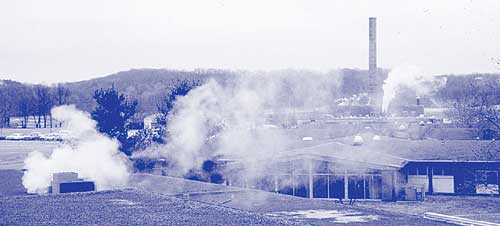

Overview of…
Note 20. Fossil Fuels
Many of the energy conservation measures of the Energy Efficiency Manual involve the optimum selection and use of fossil fuels. Selecting fuel sources is more complicated than simply selecting the source with the lowest price. Nowadays, fuel selection involves the environmental considerations, primarily air pollution and carbon dioxide emissions. These issues may limit your choices of fuels, or make it more expensive and difficult to burn them. Your fuel choices involve equipment for transportation and storage, and perhaps for disposal of residue. They affect the efficiency and maintenance requirements of your fuel burning equipment. .
This Note will give you a firm grounding in the properties of fossil fuels. These include the basic chemical composition of fossil fuels, which determine their combustion products and the pollutant emission that results. You will learn the energy content of different fuels, including “high heat value” and “low heat value.” Combustion issues include the amount of excess air needed for complete combustion, and the minimum flue gas temperature needed to avoid corrosion of stacks and flue systems.
The name “fossil fuel” applies to solid, liquid, and gas fuels that are believed to be products of the decomposition of ancient plants and animals. These include coal, petroleum or fuel oil, and natural gas. Fossil fuels have been the primary energy source of civilization for about one century, and they will continue to be the primary energy source for the foreseeable future. No other energy source has their combination of desirable characteristics, including high energy density, ease of use, ease of storage, portability, and relative safety. However, fossil fuels are a limited resource that is being rapidly depleted.
Click here to return to the Table of Contents